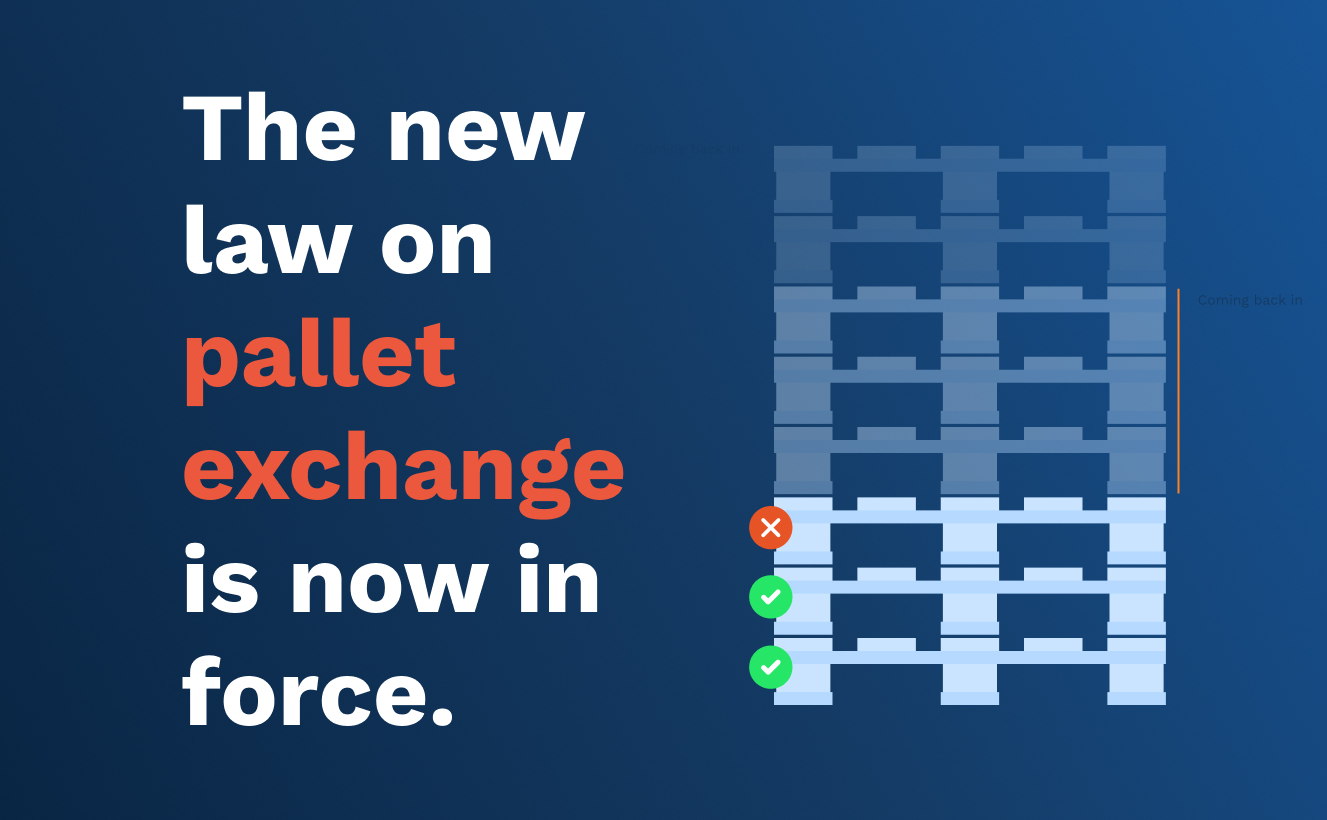
The New Pallet Exchange Law Is Here: Are You Ready?
Pallet management has always been one of the most sensitive topics in the transportation and logistics industry. Today, with the approval of the new pallet exchange regulation, it has also become a matter of legal compliance.
The new law introduces clearer rules for the exchange of logistics supports, with the aim of reducing disputes, increasing transparency, and enhancing accountability across the entire supply chain.
What Changes in Practice?
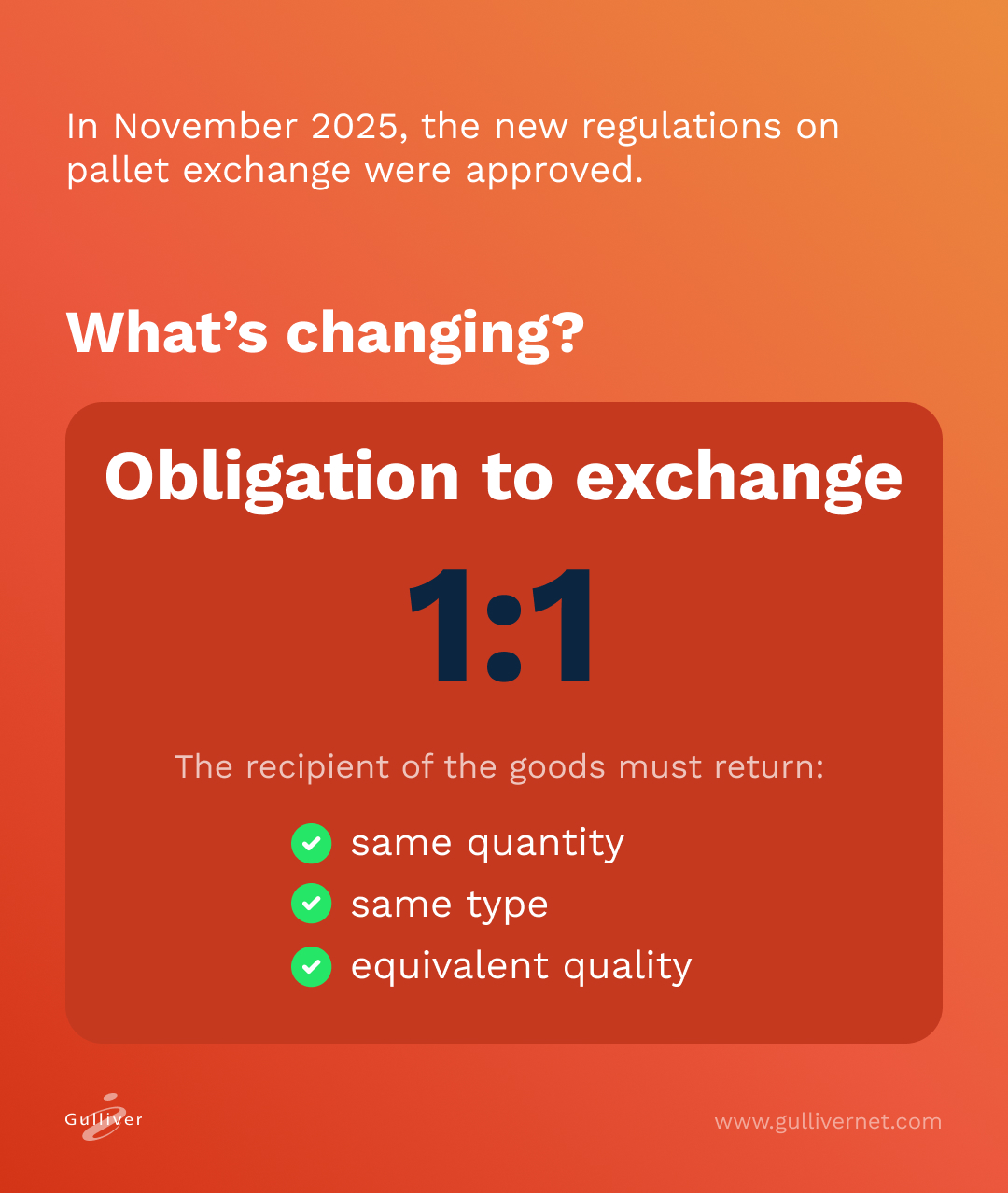
The principle is simple: whoever receives the goods must return pallets that are equivalent in quantity, type, and quality.
In other words, pallet exchange must follow a 1:1 principle, ensuring the proper circulation of logistics supports throughout the supply chain.
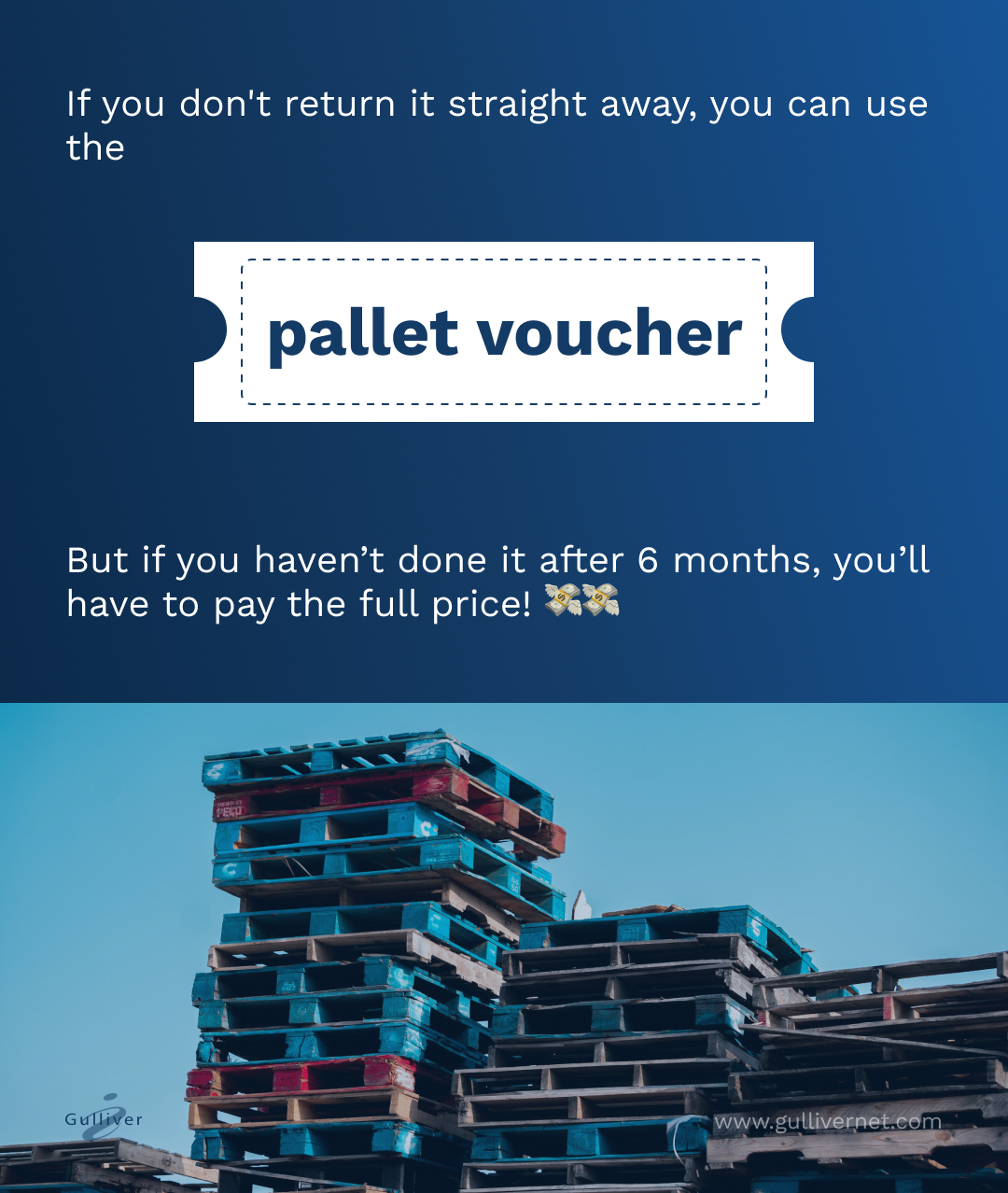
When immediate return is not possible, a pallet voucher can be issued. This document certifies the commitment to return the pallets at a later date.
The Importance of Timing
The new regulation also introduces a crucial element: deadlines.
If the pallets are not returned within six months from the issuance of the pallet voucher, the debtor will be required to compensate the economic value of the unreturned pallets.
This change makes it even more important to accurately monitor pallet balances and avoid leaving outstanding pallet credits unresolved for extended periods.
Digitalization Becomes a Competitive Advantage
For many companies, the real challenge is not understanding the regulation but applying it consistently and efficiently in day-to-day operations.
Excel spreadsheets, paper documents, and email exchanges are often insufficient to ensure accurate management of logistics supports.
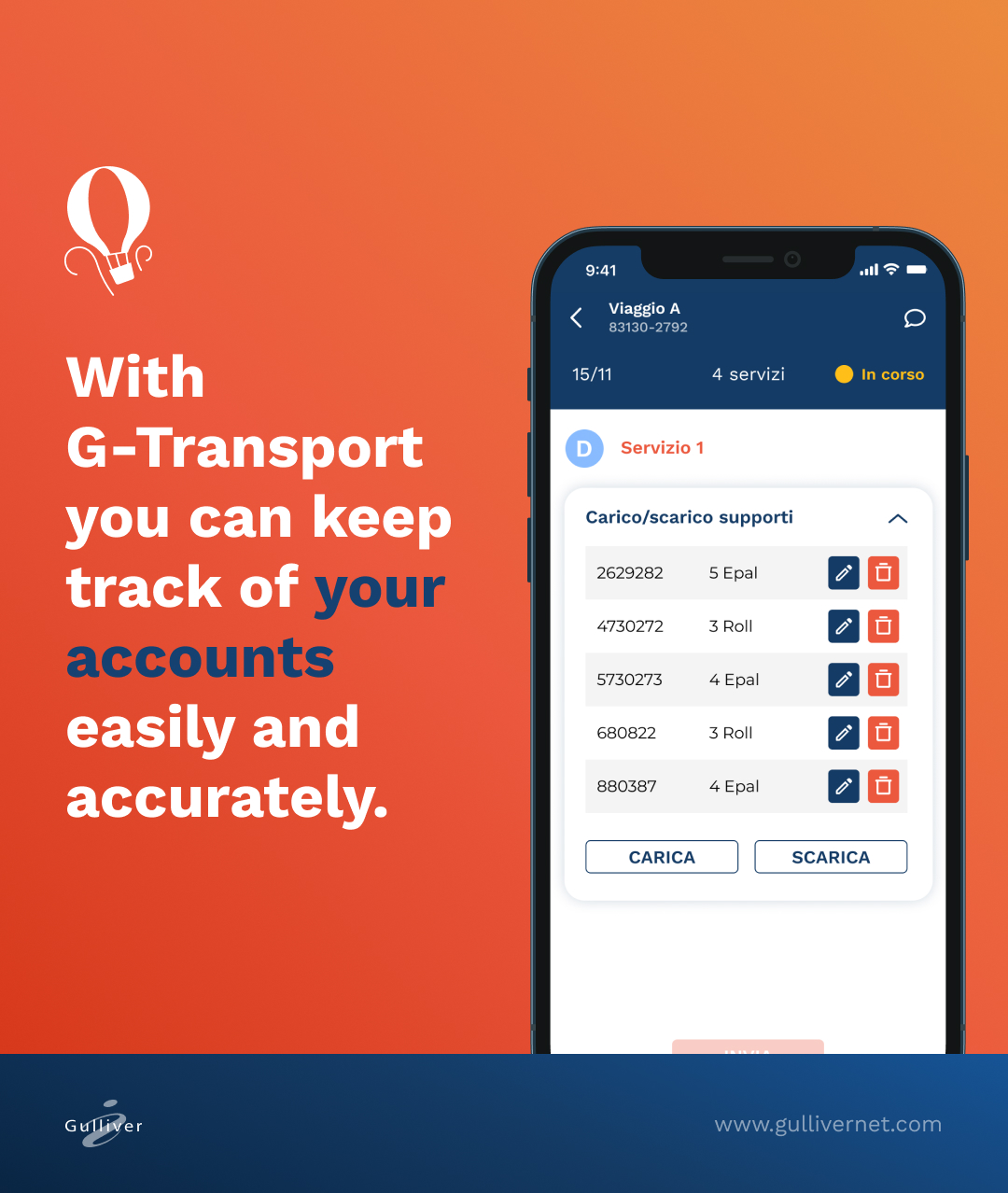
With G-Transport, companies can record and track pallet loading, unloading, and movements directly during operational activities, keeping pallet balances constantly updated while reducing the risk of errors, disputes, and unexpected costs.
Preparing Today for Tomorrow’s Requirements
The new pallet exchange regulation represents an important step toward a more efficient, transparent, and digital logistics ecosystem.
Implementing tools that enable real-time monitoring of pallet movements is not only a way to comply with regulations, but also an opportunity to improve operational control and optimize business processes.
Would you like to discover how G-Transport can support the management of pallets and logistics supports? Contact us for a demo.